Powerful Pest Management Fixes: Keep Your Home Free of Pests
Effective pest control solutions are essential for preserving a comfortable living space. Homeowners encounter various challenges from typical pest issues, which can interrupt daily life. Identifying the signs of pest invasion is the first step in addressing these problems. While organic approaches have gained popularity, understanding the full range of control options is essential. This investigation raises significant inquiries about the equilibrium between do-it-yourself approaches and when to obtain professional assistance. What strategies will turn out to be most successful?
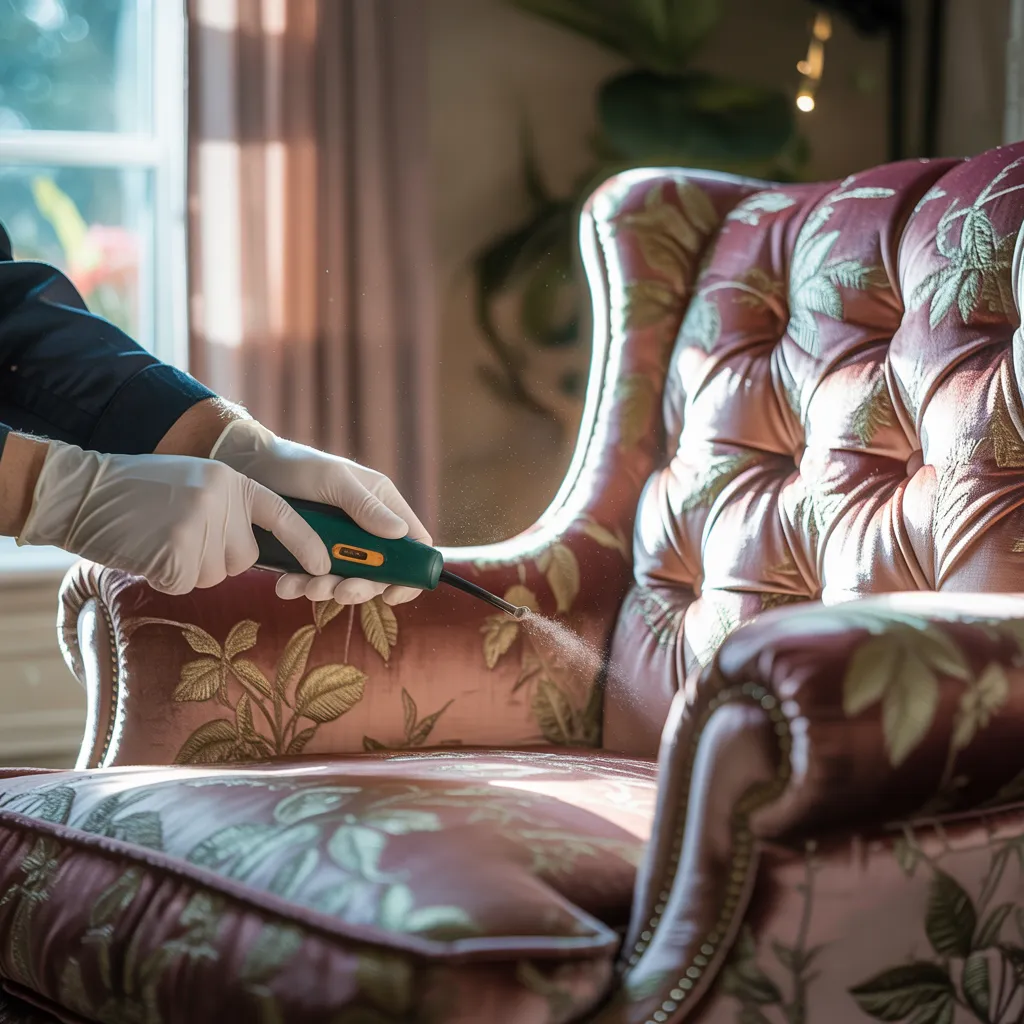
Common Household Pests and Proven Pest Control
When residents discover unwanted guests in their living spaces, they often seek immediate remedies for common household pests. Among these pests, ants, cockroaches, and rodents are commonly found. Ants typically invade kitchens in search of food, while cockroaches thrive in warm, dark areas. Rodents, on the other hand, can cause structural damage and create health risks.
Dependable pest control begins with identification and prevention. Homeowners are encouraged to obstruct entry areas, copyright sanitation, and curtail food availability. Bait traps and insecticides can be leveraged for specific infestations, though caution is advised to guarantee safety for children and pets. In severe cases, qualified pest management companies may be necessary to deploy thorough eradication methods. Understanding the characteristics of these animals and employing specific methods fosters a more wholesome habitat and reduces future infestations.
Spot Symptoms of Infestation
Detecting signs of infestation is important for effective pest management. Common indicators include odd sounds, distinct smells, and apparent waste or destruction to property. Identifying these symptoms at an early stage can help prevent a small matter from intensifying into a severe predicament.
Regular Bug Signs
How does someone pinpoint the understated indicators marking pest problems? Spotting frequent pest signals proves necessary for timely action. Tiny pellets, frequently resembling coffee grounds or rice grains, may hint at the examine now occurrence involving insects or rodents. Additionally, eaten objects, such as wooden items or wires, denote pests that chew like termites or rats. Unusual marks on furniture or walls, with marks or scratches, might indicate pest movement. Moreover, nests or webs found in secluded spots often point to infestations. Homeowners must stay alert to discarded wings or shed skins, that frequently occur with particular species. Via recognition of such signals, one can take proactive measures to maintain space without pests.
Strange Sounds and Odors
Strange noises and smells can be critical indications of a pest infestation. Homeowners may detect scratching, scuttling, or chewing sounds, mostly at night when pests tend to be most active. These noises typically alert to the presence of rodents such as mice or rats, which live in walls, attics, or basements. Moreover, particular odors can hint at an infestation. A musty or pungent smell might reveal a buildup of droppings or urine, whereas a foul, rotting scent might suggest the existence of dead pests. Understanding these auditory and olfactory indicators is vital for early detection. Quick attention to unusual sounds and odors can assist homeowners in addressing problems before a minor issue turns into a major pest problem.
Apparent Residue or Damage
dust particles or specks, based on the species. Damage can manifest as chewed wires
Important Natural Pest Elimination Techniques
Many property owners pursue synthetic treatments for pest control, yet top organic approaches present practical options that prove both eco-friendly and harmless. Essential oils, including peppermint and lavender, effectively repel various pests because of their powerful fragrances. Food-grade diatomaceous earth works as a organic pest control, removing moisture from pests on contact. Additionally, white vinegar serves as a flexible option, effectively deterring ants and spiders when applied as a spray.
Handmade traps, like baited jars for fruit flies, can also be advantageous. Releasing natural enemies, such as ladybugs and lacewings, helps suppress pest populations without harming the ecosystem. Moreover, regular cleaning and proper food storage prevent unwanted guests by disposing of attractants. Planting herbs like basil and rosemary around the home can also function as natural repellents. By integrating these methods, homeowners can maintain a pest-resistant home while advancing a more salubrious dwelling.
Understanding Synthetic Pest Management Options
Chemical pest control options offer a range of pesticide types designed to target specific pests effectively. Understanding these assorted chemical types is fundamental for proper usage and reducing ecological footprint. Additionally, adhering to safety precautions is critical to guarantee the health status of both users and environmental communities.
Chemical Pesticide Classifications
Pesticides serve an vital function in modern agriculture and pest control, delivering a range of solutions designed to target specific pests effectively. There are several types of chemical pesticides, including insecticides, which control insect populations; herbicides, which target unwanted plants; and fungicides, used to fight fungal infections. Additionally, rodenticides are formulated to destroy rodents, while nematicides focus on parasitic worms. Each category holds various active ingredients, allowing for customized approaches based on the pest type and infestation level. Systemic pesticides are taken up by plants, delivering internal protection, while contact pesticides act on contact with the pest. Understanding these classifications aids in determining the most appropriate pesticide for effective and efficient pest control.
Safety Measures To Take Into Account
When performing pest control, it is important to stress protective precautions to minimize potential risks related to chemical applications. Homeowners should always comply with label instructions precisely, ensuring proper dosage and application methods. Personal protective equipment (PPE) such as gloves, masks, and goggles is vital to protect from chemical exposure. It is recommended to position children and pets away from treated areas until the chemicals have dried and the space has been aired out. Additionally, keeping pesticides safely away can prevent accidental ingestion. Finally, exploring sustainable solutions can decrease health risks while still properly addressing pest problems. Implementing these precautions guarantees a safer environment while conducting necessary pest control measures.
Apply DIY pest elimination Tips
Adopting DIY pest control recommendations empowers homeowners to resolve pest problems effectively and thriftily. Practical solutions commonly utilize familiar household items, making them obtainable and budget-friendly. For instance, a mixture of vinegar and water can prevent ants, while baking soda and sugar can pull in and annihilate cockroaches.
Upholding cleanliness is critical; securing sealed food containers and rapidly cleaning spills deter pest attraction. Homeowners may also construct barriers by sealing gaps and cracks around doors and windows. Essential oils such as peppermint and tea tree oil function as natural pest deterrents, supplying a scented alternative to pesticide chemicals.
Routine inspections of the home for pest warning signs facilitate preventive action, circumventing widespread pest invasions. Traps and bait stations may be strategically placed in high-traffic areas to monitor and control pest populations. By adopting these DIY strategies, homeowners can sustain a pest-free environment while fostering a sense of mastery and accountability in their living spaces.
When should you obtain expert support?
Homeowners may find that despite their greatest attempts with DIY pest control methods, some invasions demand professional intervention. Indicators showing the necessity for expert help include ongoing pest problems, large infestations, or the existence of pests that create health risks, such as rodents or termites. If initial solutions fail to produce outcomes, it may be time to consult professionals who possess specialized knowledge and tools.
In addition, specific circumstances require urgent expert support. These include the discovery of nests in inaccessible areas, potential structural damage brought about by pests, or when dealing with dangerous insects, like wasps. Homeowners should also evaluate professional support if they lack the time or resources to manage the situation effectively. Ultimately, engaging a pest control expert can guarantee a thorough review and a strategic approach, delivering peace of mind and a pest-free environment.
Frequently Raised Questions
What Steps Can I Take to Keep Pests From Coming Into My Home?
To prevent pests from entering a home, one should seal cracks, install screens on windows, preserve tidiness, keep provisions secured, and regularly inspect for signs of infestation. These approaches greatly reduce the likelihood of unwanted guests.
What pest control solutions are safe for Petsafe?
Yes, safe pest control options are accessible for pet owners. Natural deterrents, essential oils, and traps designed for use near animals can efficiently repel unwanted insects without injuring animals. Always check item labels for health recommendations.
What Expenses Come With Pest Control Solutions?
Charges for pest control solutions vary considerably, usually falling from $100 to $300 for initial treatments. Regular care programs may run $40 to $70 per month, depending on the level of the infestation and service schedule.
How extended Does Pest Control Treatment last?
The length of pest control treatment typically spans from several weeks to an extended period, depending on the pest classification and the strategy used. Periodic check-ups may be vital to keep results consistent and prevent re-infestation.
Do Unwanted Guests Return After Treatment, and What Steps Can I Stop That?
Pests might resurface after treatment if not properly managed. Prevention strategies include preventing access routes, maintaining cleanliness, and regular inspections. These actions help decrease the likelihood of secondary infestations and maintain a pest-free environment.